12.06.2026
Gravity-based wastewater flow measurement is currently one of the most important issues in water and wastewater management. This is due to rising treatment costs and increasingly stringent environmental requirements. Modern production plants, which use significant amounts of water in their operations, increasingly recognize the significant difference between the amount of water used and the actual amount of wastewater discharged. In many cases, these two values are not the same. This leads to companies being reluctant to bill solely on the basis of water consumption. These differences may result from, among other things, technological processes in which some water is evaporated, absorbed by the product, or used in a way that does not generate wastewater.
Therefore, the need for precise measurement of the actual flow of wastewater leaving the plant is becoming increasingly important. Accurate measurement data not only allows for fair and transparent billing but also optimizes production processes and reduces operating costs. In locations equipped with wastewater pumping stations, flow measurement is not a major challenge. In such cases, standard electromagnetic flowmeters can be used, which rely on a full pipeline and stable flow conditions. But how do you measure flow in a partially filled pipe?
The situation becomes more complicated when the pipeline is not completely full, and the flow is partial and variable. These systems are widely used due to their simplicity, reliability, and lower operating costs. Furthermore, the nearest pumping station often serves several or even a dozen recipients simultaneously. This makes it impossible to assign a specific wastewater flow to a given facility. In such cases, building an additional pumping station solely for measurement purposes is not only costly but also unjustified from an economic and technical perspective.
In response to these challenges, modern measurement technologies have been developed that enable accurate flow determination when the pipeline is not fully filled. One of the most advanced solutions in this field is electromagnetic flowmeters adapted for gravity sewers.
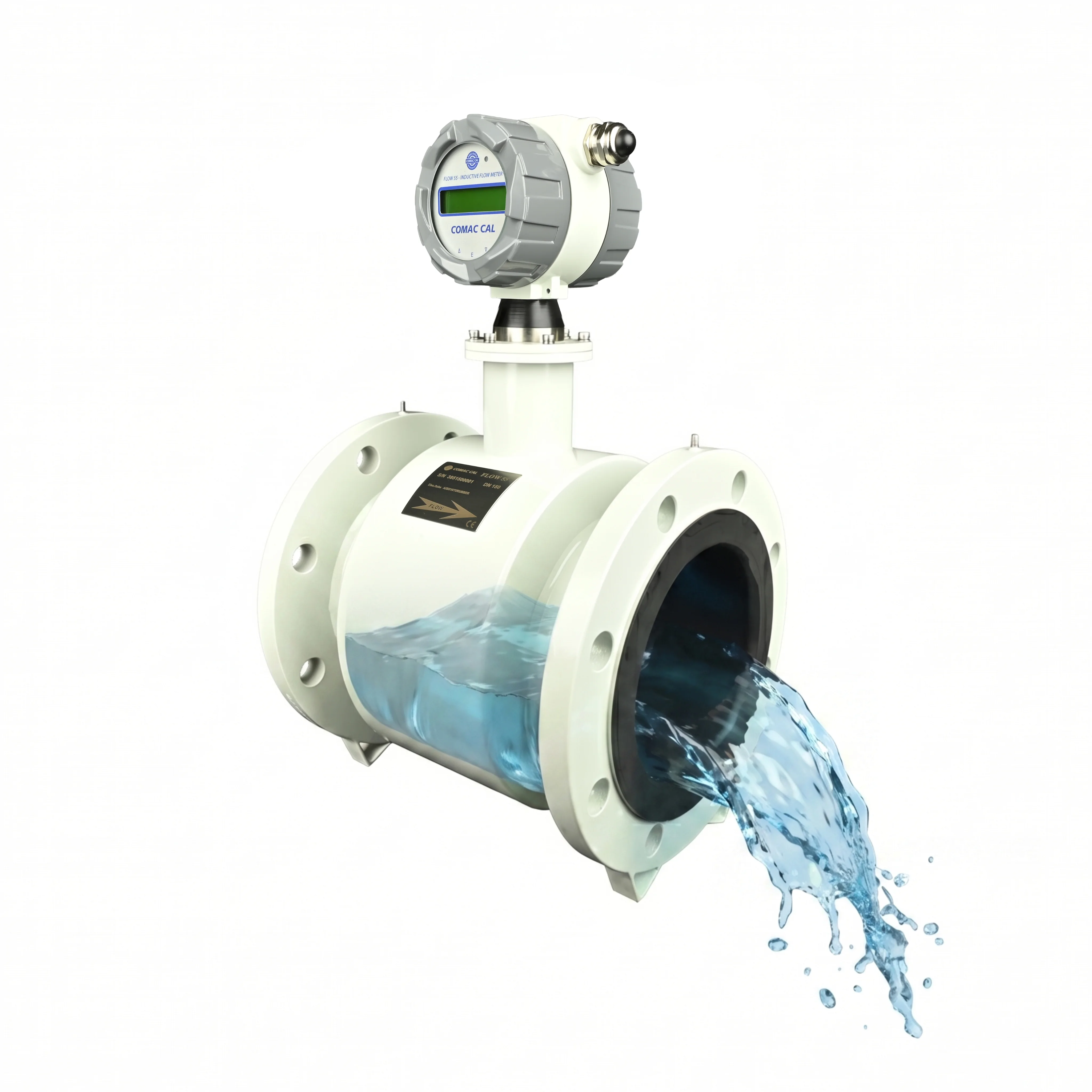
To obtain reliable and repeatable measurement results in a gravity sewer using an electromagnetic flowmeter, certain conditions must be met.
An example of a measuring device specifically designed for gravity flow applications is the Flow55 electromagnetic flowmeter.
The Flow55 is an electromagnetic flowmeter for gravity flow measurement. Utilizing unique dual measurement technology, the Flow55 combines electromagnetic induction with an integrated ultrasonic sensor. This provides accurate measurement of both liquid level and flow velocity. Unlike traditional electromagnetic flowmeters, which require the pipeline to be completely full, this device is designed to operate even with very low liquid levels. The precise arrangement of the measuring electrodes (photo below) plays a key role here. They are located at the bottom of the Flow55 flowmeter. This allows for signal recording even with minimal fill, which is approximately 10% of the cross-section. In practice, this means that flow measurement can be performed with liquid levels as low as a few centimeters, significantly expanding the device's range of applications.
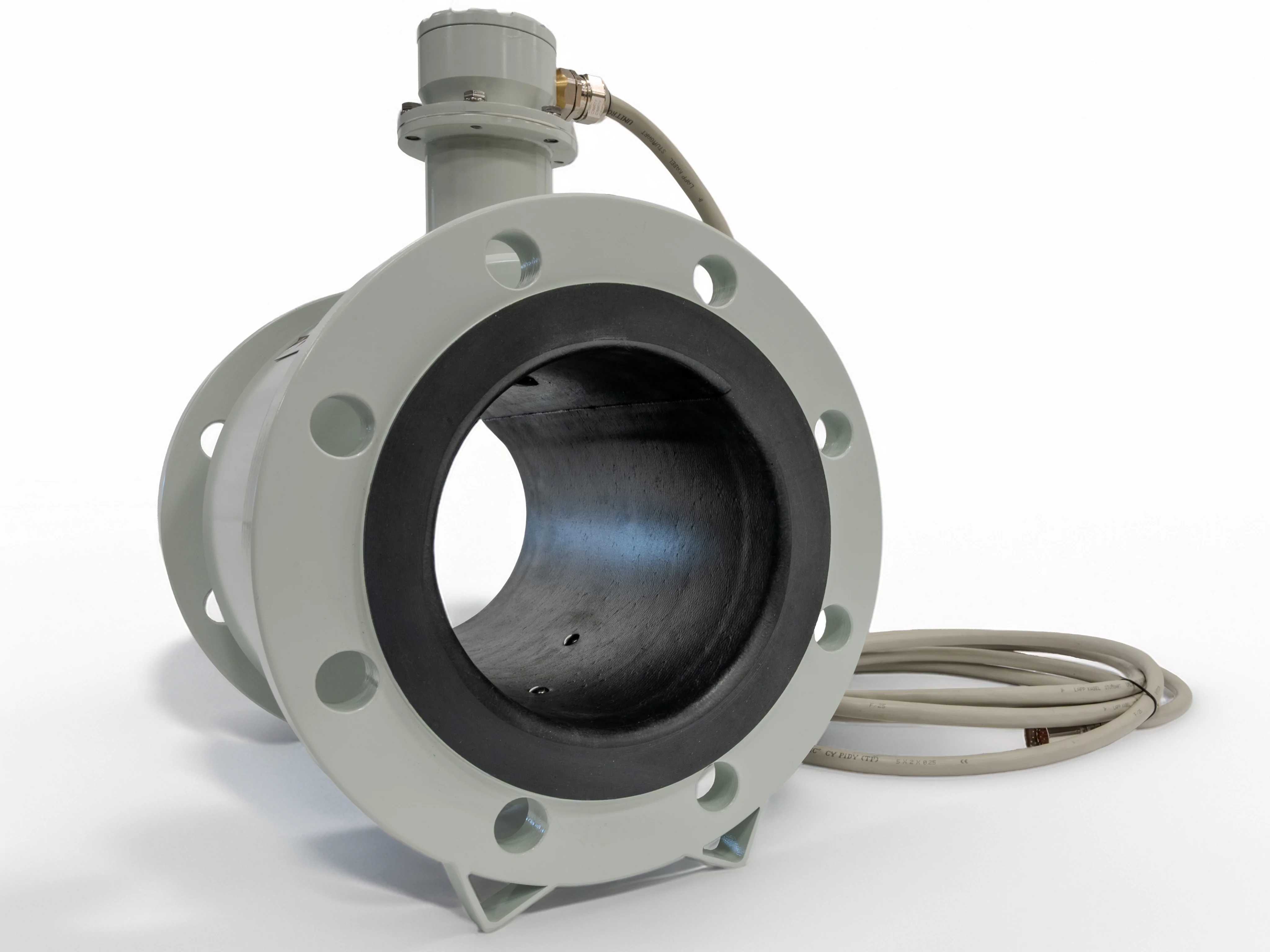
The Flow55 electromagnetic flowmeter is an excellent solution for partially filled pipes, open channels, and gravity systems. It achieves exceptional accuracy of +/- 2% of the actual flow rate.
To ensure seamless integration with modern control systems, the Flow55 electromagnetic flowmeter for partially filled pipes offers universal connectivity (4-20 mA, Modbus RTU) with full IoT module support.
The ability to expand flowmeters with wireless communication modules, including NB-IoT technologies, is becoming increasingly popular. The Flow55 flowmeter also offers this capability. This solution allows remote access to measurement data without the need to build an extensive IT infrastructure. Data from the Flow55 flowmeter can be transmitted at regular intervals, for example, every few minutes, enabling near-real-time monitoring of system operation. Users of the Flow55 electromagnetic flowmeter gain access not only to flow information but also to data on fill level, fluid velocity, and alarm conditions.
An additional advantage of the remote monitoring system for the Flow55 electromagnetic flowmeter is the ability to archive data and visualize it in dedicated applications. This data can be used for historical analysis, process optimization, and the detection of irregularities. In the event of problems, such as no flow or sudden changes in parameters, rapid diagnosis and appropriate action can be taken. There is also the option of exporting data to CSV files or integrating with the user's IT systems, which increases the flexibility and functionality of the entire solution.
Using the modern Flowe55 gravity flow meter for gravity flow measurement offers a number of benefits for both businesses and sewer system operators.
• Flow 55 enables precise and fair billing of wastewater discharge volumes. This eliminates potential disputes between parties. In the past, the lack of accurate measurement data often led to conflicts that often ended in court. Thanks to the modern technology used in the Flow55 part-fill flow meter, it is possible to avoid such situations and build transparent business relationships.
• Accurate flow measurement with the Flow55 allows for better water resource management and the optimization of production processes. Businesses can continuously monitor wastewater generation, identify areas for improvement, and implement measures to reduce water consumption. In the long term, this translates into cost reductions and a reduced environmental impact.
Gravity flow measurement of wastewater is an essential element of modern water and wastewater management. Thanks to the use of technologically advanced Flow55 electromagnetic flowmeters, adapted to operate in low-flow conditions, and remote monitoring systems, it is possible to obtain accurate and reliable measurement data.
To request a quote for a Flow55 flowmeter for gravity flow measurement, please contact us. Please provide the following information:
02.06.2025
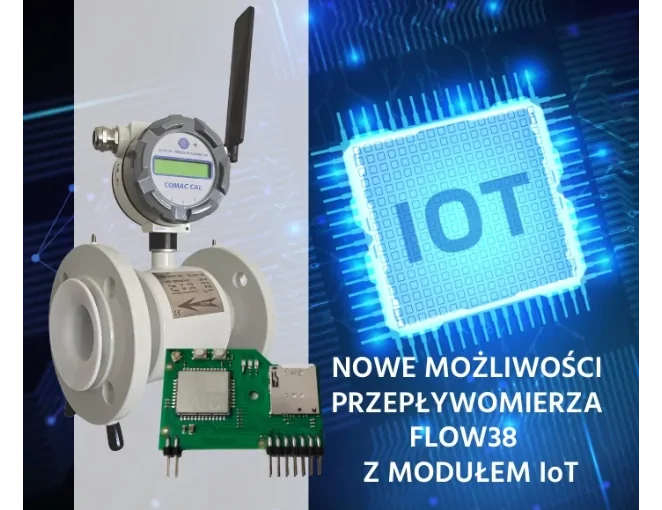
The IoT module for the Flow38 electromagnetic flowmeter saves time and money.

07.11.2025
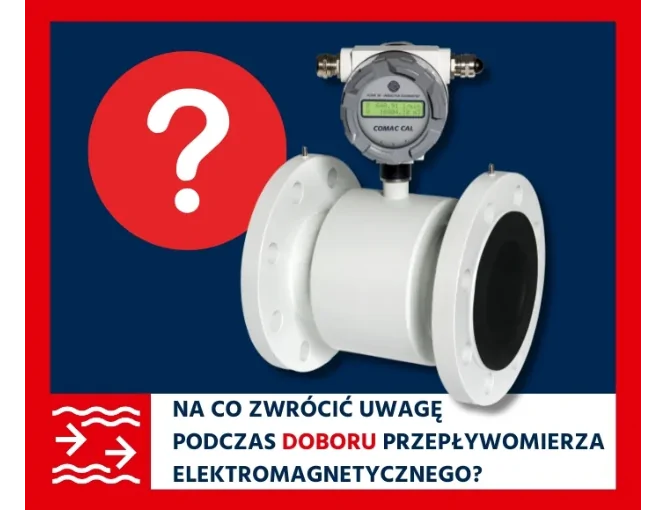
We have already delivered nearly 1,000 electromagnetic flowmeters to our customers. The experience we have gained has shown us the most common problems encountered by designers, installers, and users of these devices. In this article, we will focus on the proper selection of an electromagnetic flowmeter.
04.08.2026
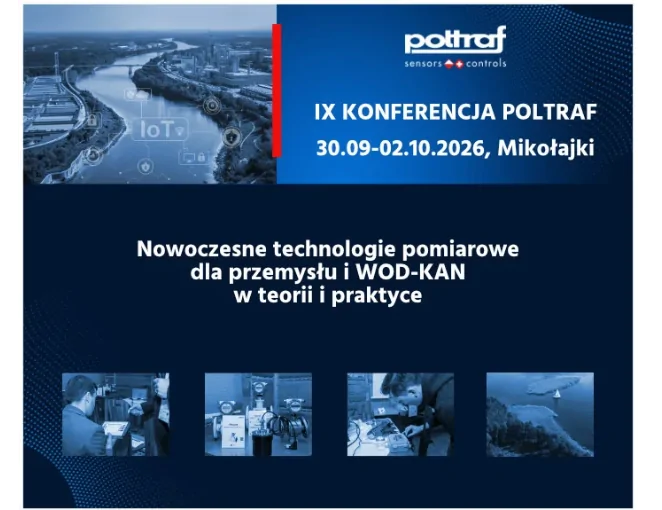
The next edition of the conference organized by Poltraf will take place from September 30 to October 2, 2026. This year’s event will focus on modern measurement technologies for the industrial and water & wastewater sectors, with particular emphasis on the practical aspects of selecting, installing, and using measurement equipment.
We are a representative and distributor in Poland of the following brands:
since 1994

since 2004

since 1997
since 2010

since 2009

since 2016

since 2023

since 1994

since 1994

since 2001

od 2024 r.
 Unit Calculator