
13.11.2026
Are you looking for a reliable personal protective detector to monitor the concentration of a specific gas? Meet ARA – a personal single-gas detector from the British company ION Science.
The ARA series consists of compact personal detectors designed to monitor the presence of specific gases in industrial environments. Available versions allow for the monitoring of:
ARA single-gas detectors from ION Science are used for individual atmospheric monitoring in the workplace, alerting employees to dangerous concentrations of specific gases. Depending on the model, the device detects hydrogen sulfide (H2S), carbon monoxide (CO), oxygen (O2), or sulfur dioxide (SO2).
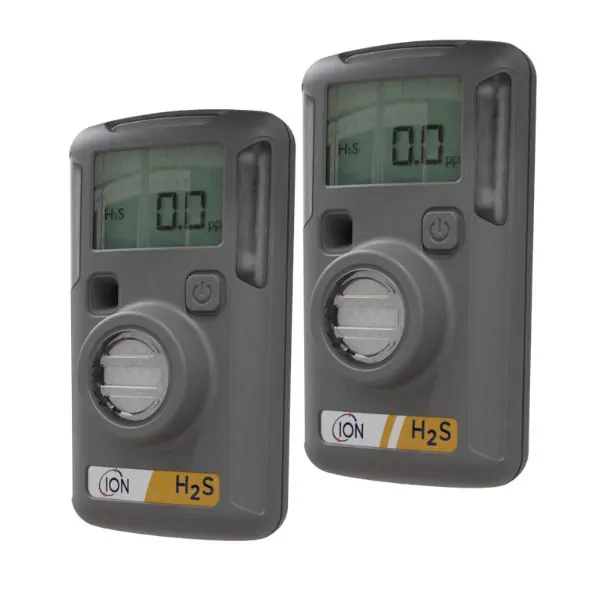
Hydrogen sulfide is a highly toxic gas that can be found in places such as wastewater treatment plants, sewage systems, storage tanks, and facilities within the chemical and petrochemical industries. At low concentrations, it has the characteristic smell of rotten eggs; however, at higher concentrations, it can rapidly lead to the loss of the sense of smell, respiratory paralysis, loss of consciousness, and even death.
Does your workplace pose a risk of exposure to dangerous concentrations of hydrogen sulfide? If so, take a look at the ARA H2S detector in our online store – click here.
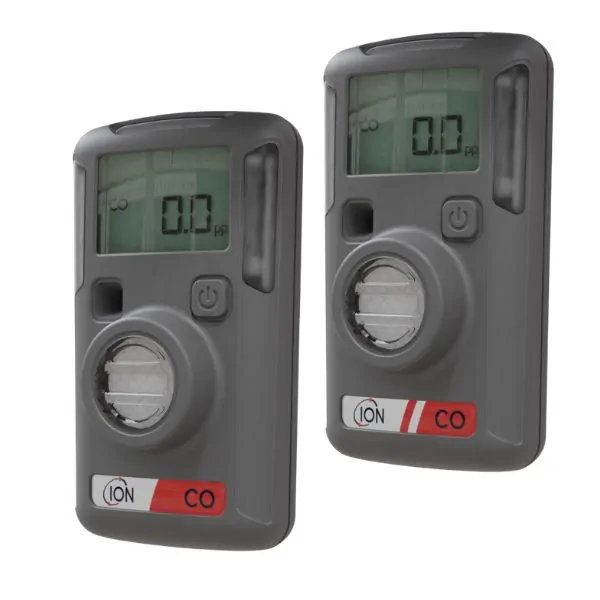
Carbon monoxide (CO) is a colorless, odorless, and highly toxic gas, primarily produced during the incomplete combustion of fuels. It binds to hemoglobin in the blood, restricting the transport of oxygen to tissues and organs. This can lead to headaches, dizziness, nausea, weakness, and loss of consciousness—or, in cases of severe poisoning, even death.
Is there a risk of dangerous carbon monoxide concentrations in your workplace? If so, take a look at the ARA CO detector in our online store - click here.
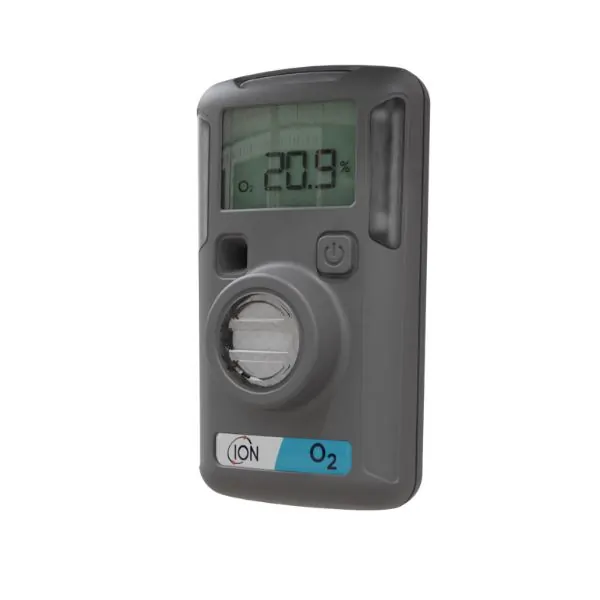
Oxygen is essential for respiration; however, both a deficiency and an excess pose serious risks to workers. An oxygen concentration that is too low can lead to dizziness, respiratory distress, loss of consciousness, and even death by asphyxiation. Conversely, at elevated oxygen concentrations (above 23–24%), the flammability of materials increases dramatically. Even a small spark can trigger an explosion.
Does your workplace pose a risk of dangerous oxygen concentrations? If so, take a look at the ARA O2 detector in our online store – click here.
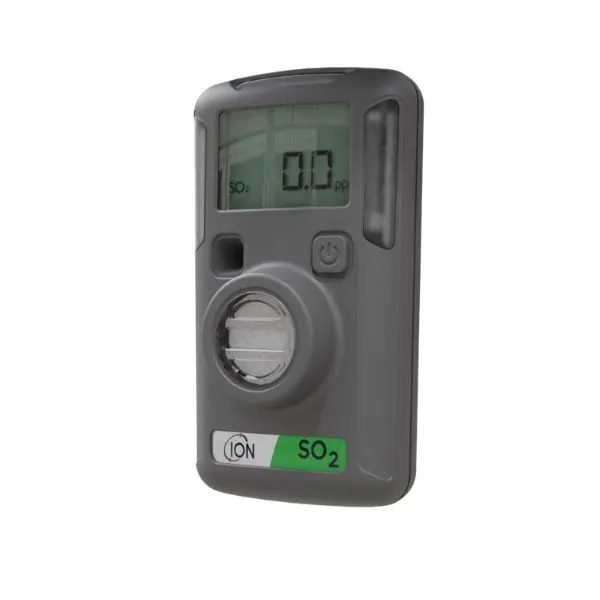
Sulfur dioxide is a toxic gas with a sharp, irritating odor. It is produced, among other ways, during the combustion of fuels containing sulfur and through certain industrial processes. Inhaling this gas causes irritation to the eyes and respiratory tract, coughing, and difficulty breathing; at higher concentrations, it can lead to serious damage to the respiratory system.
Does your workplace pose a risk of exposure to dangerous concentrations of sulfur dioxide? If so, take a look at the ARA SO2 detector in our online store – click here.
The ARA personal detector is an easy-to-use device characterized by the following features:
Under standard conditions, the ARA battery lasts for 24 months from the date of first activation. For the ARA H2S and ARA CO models, 36-month versions are also available. The device can be switched to sleep mode when not in use (up to a maximum of 1 year of hibernation), which helps to extend its service life.
The battery in an ARA detector cannot be replaced. The device is designed to be virtually maintenance-free; it is intended to operate for a specific period, after which it should be replaced with a new unit. This design—which prevents user-led battery replacement—limits interference with the device, reduces the risk of service-related errors, and preserves the factory-sealed integrity of the enclosure.
A key advantage of ION Science ARA single-gas detectors is the minimal requirement for periodic maintenance, including calibration.
For the ARA-O2 model, the device must be zeroed in clean air at least once every 30 days. During operation, sensors for toxic gases (CO, H2S, and SO2) may require calibration.
ION Science recommends performing frequent "bump tests" (functional tests) to ensure the sensor is operating correctly. Such a test should be conducted at least once every 30 days. A bump test should also be performed if the device has been subjected to mechanical impact, submerged in liquid, or triggered an alarm due to exceeding concentration limits. Additionally, a bump test is required whenever the device changes ownership or whenever there is any doubt regarding its proper operation. A bump test involves exposing the detector to a gas concentration that exceeds the low-level alarm thresholds. When selecting gas concentrations for a test, you must take into account local regulations regarding permissible exposure limits and observe all necessary safety precautions when handling these gases. If a device fails a bump test, it must be calibrated.
Details regarding bump tests and calibration can be found in the user manual for the ARA detector.
ARA detectors are manufactured by ION Science. Founded in 1989, this British company is a global leader in the production of advanced gas detection equipment and sensors that utilize photoionization detection (PID) technology.
Poltraf Sp. z o.o., based in Gdańsk, is the exclusive distributor of ION Science equipment in Poland and serves as an authorized ION Science service center.
12.06.2026
The 32nd WOD-KAN fair in Bydgoszcz is behind us - an event with a history as long as Poltraf.


19.07.2023
On September 20-22, 2023, we are organizing the QUALITY-WATER-WASTEWATER conference. This conference, dedicated to the water and sewage industry, will take place in Polańczyk on Solińskie Lake.

25.04.2023
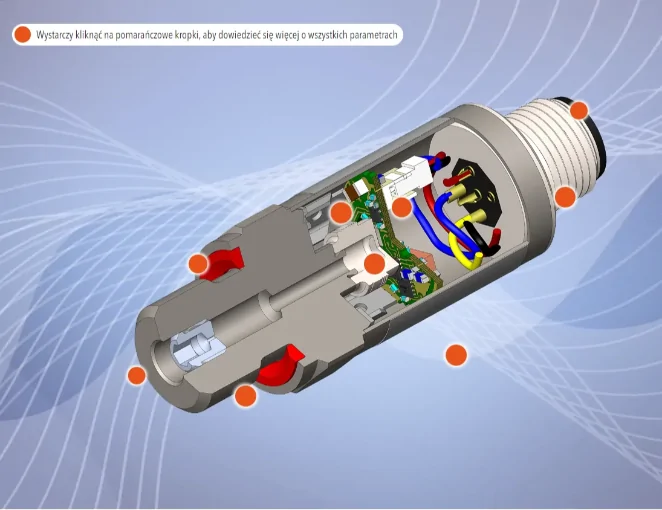
This interactive graphic provides a brief overview of the key components of the pressure transmitter. Click on the red dot to learn more about the item.
We are a representative and distributor in Poland of the following brands:
since 1994

since 2004

since 1997
since 2010

since 2009

since 2016

since 2023

since 1994

since 1994

since 2001

od 2024 r.
 Unit Calculator